





















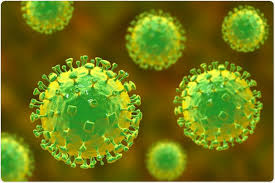
Imagine a virus that can jump from bats to humans and spread quietly across communities, causing deadly outbreaks with no finalized cure. This is the Nipah virus, a rare but extremely dangerous pathogen that has continued to affect numerous parts of India, especially West Bengal. A small outbreak can easily put public health systems under tremendous pressure. Nipah is able to spread through contact with infected animals, contaminated foods, or even sick people, which makes prevention arduous. Despite the rarity of the virus, it spreads quickly from animals to humans. The continued presence of the Nipah virus serves as an important reminder of how connected human health is to our environment and why alertness is important in preventing future outbreaks.
The Nipah virus was first identified in 1998 during an outbreak among pig farmers in Malaysia. Then in 1999, an outbreak was reported in Singapore following the importation of sick pigs from Malaysia. Decades later, the virus continues to prevail with new cases in India showing a fatality rate of 40-75%. The virus was originally introduced by fruit bats which are present in many areas of Asia and Australia. To contract the virus you must have direct contact with infected animals like pigs or bats or consume fruits. Like COVID-19, the virus spreads quickly, especially in health facilities where people are crowded together. The virus hits you slowly by starting off as a fever or fatigue similar to COVID-19, where you start developing a cough. However, unlike COVID-19, the Nipah virus has a significantly higher fatality rate with only about 1 out of 5 people surviving one of these cases. Similar to COVID-19 there wasn’t really any treatment for it. The early stages of the coronavirus reminded us how quickly a disease could disrupt societies when health systems are unprepared. COVID-19 exposed the weaknesses in hospital readiness and communication which are relevant when considering viruses like Nipah.
Reflecting on their own experiences of COVID-19, many students recognize how outbreaks affect education and their lives. One 11th grader I interviewed said “When Covid first started, everything changed overnight. I thought it would be one week off of school, but that turned into a two-year break from school. There was no clear information in the beginning; it was all sudden.” Another 11th grader said “Covid really showed how connected the world is. I mean a virus that started so far away was able to affect our schools and mental health. It makes me think that if another virus spreads then our country needs better systems so this won’t get so out of control again.” One 10th grader stated “During remote learning some families struggled more than others with many losing their jobs and not having much access to food and healthcare showed me how unequal resources can be during an outbreak.” Nipah might not be a worldwide crisis yet but its fatality serves as a warning that without proper readiness, history could potentially repeat itself.
In conclusion, while Nipah virus outbreaks are rare, their ability to quickly spread serves as a reminder of the importance of prepared healthcare systems. Students’ experiences during COVID-19 have shown how a virus can disrupt education and daily life even in countries where there are great medical resources. Investing in hospital readiness and more efficient communication is essential in preventing future outbreaks from escalating into big crises. Viruses like Nipah aren’t just distant threats but warnings that preparation can save lives and protect communities before any potential disasters strike.