














This conversation is part of the BaccRag’s Alumni Project, an initiative to help BSGE students learn about life after high school by reaching out to our school’s alumni and talking to them about their experiences during and after their time at BSGE. This interview has been edited for length and clarity and was transcribed to the best of the transcriber’s ability from a Zoom meeting recording.
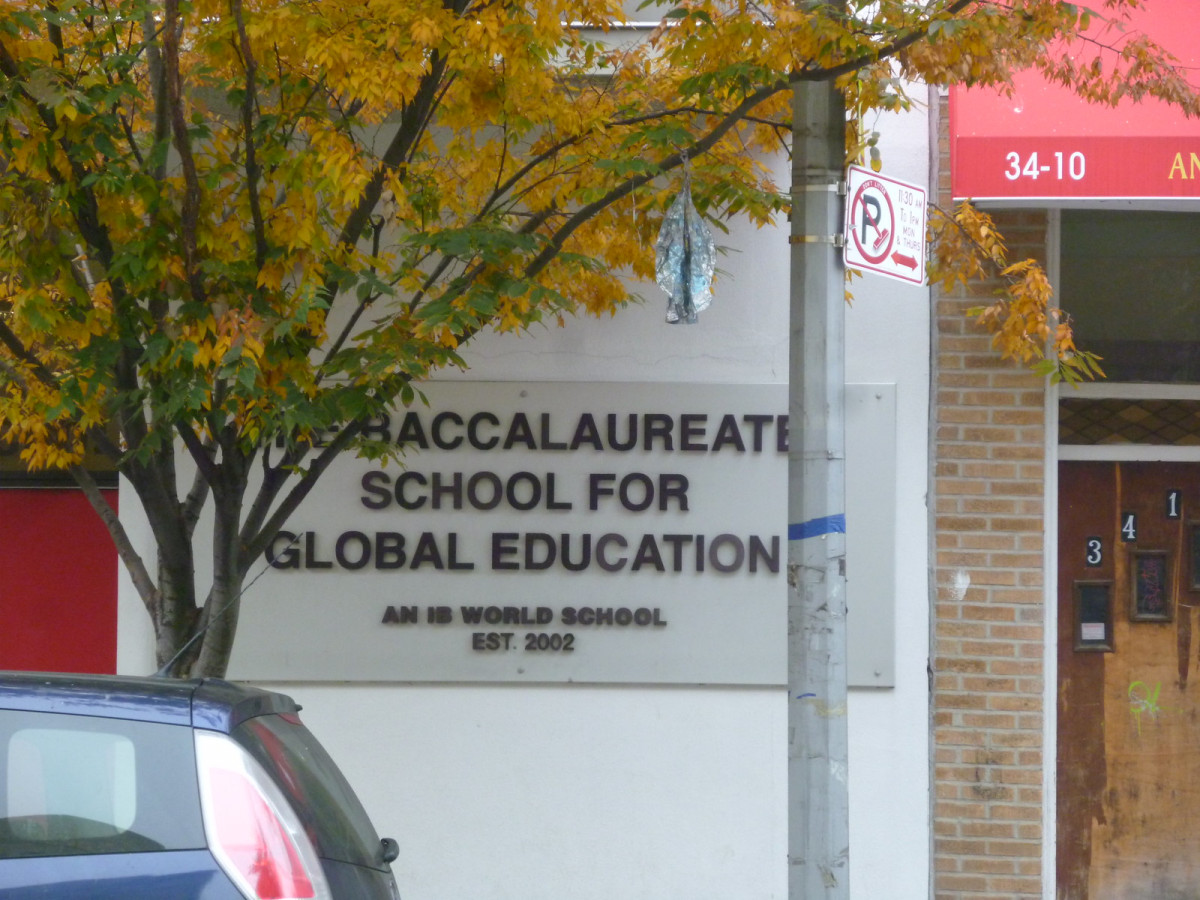
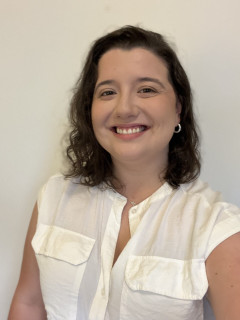
This is a conversation between the BaccRag and Kristen Spang, who graciously accepted the BaccRag’s interview request. Kristen graduated BSGE in 2011 and earned her Bachelor’s at Queens College before receiving her Master’s from Lehman. She is now a speech pathologist at Cardozo High School. Over the course of this interview, Kristen gives advice to current BSGE students and discusses her time at BSGE, her college decision process, and her career.
Let’s start with BSGE. What was your experience like there?
Kristen Spang: Um, I had a great experience, started out in seventh grade, like not knowing really who I was, what I was interested in, like, and I left, I feel like, with a really good sense of self and a lot of, you know, opinions and interests that, you know, that I wouldn’t have imagined. I built a really solid friend group, and I was really involved in sports there and just, like I said, interests that I didn’t think that I — I did like IB art and I loved it, and I never thought that art was a thing for me. I was always like, “oh, I’m a sports kid”, you know? And I really legitimately enjoyed it to the point that if I saw it as like a feasible career to study, I would have maybe done a minor in art or something like that. It was really fun for me. So yeah, that’s what my experience was like.
What sports did you do?
Kristen Spang: Basketball and softball…Actually when I started — in PSAL before you become, I think high schools need to apply to have a team, and then you need to do, I think it’s called the instructional league, which is like a league before you guys get granted status in PSAL. So my first year on the team, we were still under that category. So we actually weren’t competing with the schools in Queens. We were competing with, it’s basically to just show that you have enough interest in the sport and you have a coach that’s willing to bring you to teams because they’re not gonna just throw any person who’s like, “I want a team this year” into the league because that’s not fair to the other teams who are like established, you know?So I was there, my 1st year, we were still doing that instructional or provisional, maybe, league, where we were kind of going to Manhattan and all over the place for games and then by my sophomore year, we were actually like competing in the, at the time, I think it was called division B. I don’t know if it’s that still now that they’re in. We were actually competing with the other Queens high schools. Yeah, so it was really like the early days of BSGE softball.
And basketball too, I don’t know if you guys still have the girl’s basketball team?…Yeah, the, you know, our team was very small. There were times when we had to ask a kid who wasn’t even on the team, because you need a certain number of players present to participate in the game. And there was a time when we had only maybe like 6 or 7 girls that were on the team itself and we had to ask someone who wasn’t on the team to pretend like she was a student that was on the team because one of the girls was sick. She legitimately couldn’t come, she was at home, like ill, and we were like, “damn, this game’s not gonna happen if, you know, if we don’t have enough players”, so we asked another friend, we’re like, “can you just wear a jersey? We’re not going to put you in, we promise, you just need to sit on the bench and pretend like you’re that person. And if someone asks you what your name is, it’s that, but, don’t worry, we won’t put you in.” But, um, I was pretty famous for being very close to fouling out, like, very early on in the game, because I was just, like, very aggressive and, like, into it, and I didn’t care.
But that sounds like a wonderful experience then, and you said IB Art was really fun and really interesting and you didn’t really know that that was something you were interested in.
Kristen Spang: Yeah, yeah. It was just I don’t think that that’s like a typical experience that normal high schoolers get. Usually, like, you have an art elective or a museum elective, and you don’t get to really dive deep into that, but like being able to get to do Art, I did actually SL. But being able to just do art for over an hour, every day, because, you know, our periods are over an hour too so, like, you get to really get into it and get into a theme and, like, explore medias and, um, be creative. Was I a good artist? No, but did I like, you know, coming up with ideas for pieces and for messages? It definitely tapped into my more, you know, how do I want to put it? like creative side…Like I didn’t, I didn’t appreciate those things before, you know? Even just… because they really, they teach you how to read there. Um, so I remember the 1st time that I really recognized, like when it clicked to me how to close read a text, like a fiction text, and see all of the symbolism and all the images that the author and connections that the author wants you to make, like, behind what you actually are reading in between the lines. I remember the first time that that clicked for me and I was like “Oh my god. This is so cool.”
What do you think you liked most about BSGE?
Kristen Spang: I liked that things never felt too formal or serious and it felt like you were entitled to having an opinion, and there was gonna be an adult in the building that listened to that opinion, even if they didn’t agree to it. And I liked how small it was, that you got to also know people from other grades and you got to really feel like maybe even a little bit too comfortable by the time you were in 10th grade…I liked that aspect. I liked that we were around a lot of kids who generally cared about school just having those sorts of people surrounding you, it convinces you to do the same thing. As a teenager, you know, you care about what other people around you are doing, so that’s important, and now like as an adult, I appreciate that even more.
Yeah that sounds very much like the BSGE of today too, so it’s nice that that’s kind of stayed consistent. So there’s a couple of teachers that were at BSGE when you were a student there and are still at BSGE or just recently left: Mr. Wolov, Mr. Lasko, Ms. Kumar, and Shantanu are there and Peter Wilson just left. Did you have those teachers when you were there, did they teach you?
Kristen Spang: Yeah, I didn’t have Shantanu for much, he was just doing technology, and I don’t know if I ever had him as a subject teacher. Mr. Laskowski, yeah, I really loved, he taught 7th grade science at the time. I don’t know if he’s still doing that. I really loved his class. He was very good. We learned. I remember learning balancing equations and being really into it there. Mr. Wolov is awesome. They probably shared with you that when we were there, we were in his course when Nathan [current BSGE junior and Mr. Wolov’s son] was born. So I remember him announcing to his class that he had a baby and that his name was Nathan, and recently, when we visited, we were like, “remember when you had Nathan?” He’s like, “here he is. He’s right here.” I looked at him, and I was like, “Wait, we’re that old? Like, damn, are you serious? Like, he’s in high school?” …So, you know, we were actually in his class when he had him, and then [Mr. Wolov] actually interviewed me on my interview for BSGE. So I remember being in the interview room feeling all nervous and I know that when they were asking, “What sorts of things would you like to do in BSGE?” I was like, “Oh, I really like sports.” And then I was like, “I maybe want to do debate.” And then the girl, after we left the interview, the girl who was volunteering was like, “That was a good answer because he is in charge of the debate team” …And then I never even joined debate, but it got me into the school. Yeah, so, you know, Mr. Wolov is always, I could tell that he was super invested and put a lot of time into his lessons and was really thoughtful about his approach and how he chose to present material to us.
Ms. Kumar did ninth grade ELA for us…She was really, really nice, friendly and was able to take a joke. I remember joking around with her…Could I say more about Mr. Laskowski? Does he go by Lasko? I remember him. Besides the balancing equations, I don’t know. I’m just remembering specific things that we did in their class that I don’t know if this is gonna be helpful for your article at all, but I remember him asking us to, around Christmas, write something about why Santa’s not real. And I don’t know, I don’t know. I don’t remember, don’t think that that’s relevant at all.
So then after you graduated BSGE, you went to Queens College, right? And then Lehman? What was it like there at those schools?
Kristen Spang: If I’m being totally honest, when I was applying to schools, I applied to a lot of private schools as well but ultimately for me it came down to what made the most sense financially so at the time Queen’s College, they didn’t have the Excelsior scholarship, which they have now. I don’t know if you know about that. But, you know, with my family’s situation, like, I knew I had a younger sister, 2 years younger than me, who was also going to be [going off to college], not knowing specifically what major I wanted to go into per se, I said “you know what, I’d rather go to a school that is not going to leave me with a lot of student debt.” It was a conservative choice, going to commuter school, definitely, especially when a lot of my friends were going away was a little bit of a hard pill to swallow and I did feel quite overprepared when I went there in comparison to some of my classmates however, like I ended up with 24 college credits when I graduated high school that transferred to Queens…because of my IB tests. So, for me, I was like thinking about it and I was like, you know, If I go here, like I said, we didn’t have the Excelsior scholarship yet and I wasn’t eligible for financial aid at Queens College, but I did have a private scholarship that I had gotten, you know, if you go on like scholarships.com or whatever…so I had a private scholarship, so like, it was gonna cost me like only like $1500 a year to go to Queens. I was like, for me to not know what exactly, what I think I’m gonna do yet I felt like I couldn’t get myself to sign up for — even with some of the scholarship packages from the private schools, like, I was still gonna be on the hook for over 20, even at SUNY, I was gonna still be on the hook for 20k a year times 4 years. And I was like, I could get a bachelor’s degree and I’m like, “probably what I’m gonna do when I get older is gonna require me to get a Master’s anyway, you know?” So I was like, “I’m just gonna go to Queens, I’m gonna do the absolute best I can on my grades in my courses and I’m gonna figure out what I wanna do.” And it was honestly a very easy transition, you know? So, like, BSGE, I did not struggle in the least with going to Queens [College].
And I also recognize, looking back now, I’m really happy I did that because it put me in a great position for when I did graduate, because I have a lot of friends who had a lot of money that they had to pay back, and I was able to start truly with zero, you know, not negative and that made a really big difference in my life. So I also went to, I finished Queen’s College in 3 years so then I went on to do speech, which I know you guys have a speech provider at your school now, actually, too and so speech is a two-year Master’s program. And I was also very lucky. I applied to a scholarship and they covered my tuition for my Master’s. So I also had to commit time to the DOE. I had to agree to work for the DOE for 4 years and they paid for my Master’s at Lehman. So again I got extremely lucky, but I also made very conservative choices in terms of finances, and I don’t…I still had fun, but maybe not your traditional living in a college dorm. But financially, it made the most sense for me so I definitely don’t regret that.
I’m definitely, right now as a parent, I’m fully funding my kids’ college accounts now so that they don’t have to be faced with that kind of decision. Not that I don’t appreciate everything my parents did for me, obviously, but I can do a little bit more and [unintelligible] they can decide when they’re older what they want to do without having to think so much about how much things cost. The CUNY education system, especially if you’re going for certain degrees, there are certain degrees that it really matters where you graduate from and there are other degrees that it just matters if you have the license or if you have that paper and my field is one of them where as long as you have the license, there is a lot of work and they really barely even ask you where you went to school when they’re talking to you. So it made sense for the field that I’m in. My sister went a different route. She went to St. John’s because she went into pharmacy and pharmacy, there’s only how many pharmacy programs, there’s not a ton of pharmacy programs. It’s St. John’s and LIU, and she’s like, I had no choice but to go to a private school to get that degree but she had to take out some loans. But yeah, that’s the gist of it.
What made you want to go into speech pathology?
Kristen Spang: Um, I knew I really liked working with kids. I was interested in special needs populations, but I didn’t necessarily want to be a teacher so you find out about, I found out about these therapy fields that have a lot more flexibility because as a teacher, you’re kind of pigeonholed. When you have a teaching license, you can be a teacher, and that’s it. Maybe you can tutor on the side, but for speech there are a lot of different settings where your license can follow you. So you’re not stuck if you’re unhappy in a certain workplace. There’s a lot of different work that’s available to you. I did also like the idea of being able to work a union job. My dad was a construction worker in a union and I come from a union family. So the thought of being able to work in the DOE enticed me because it is a union job, and I see a lot of value in that. But my field in particular, I thought the flexibility and still being able to work with young kids and connect with families was really nice and I’m honestly really happy. There’s so much opportunity for work. I work in the DOE, but like, if I want to have a little bit of, say, I get out at 2:20 every day so before I had kids, I was like, I can work more, you know, I have a lot of time. There were like, there’s tons of different agencies that you could work for to pick up side cases for a pretty good rate and you could take on as much or as little as you want so I love that about it.
We have early intervention, so you can work with young kids who don’t speak yet, aren’t speaking, and aren’t meeting their developmental milestones. You could also work in a hospital per diem with people who maybe had a stroke or a traumatic brain injury, and maybe they used to be able to communicate, but their brain injury caused them to have difficulty communicating in the same way that they used to. You could also work with other kids after school who have a range of developmental disabilities. They aren’t necessarily young, but maybe want to use, they get speech therapy at school, but after school, maybe they don’t know how to transfer their skills that they learned in school to the home. So right now I work with students, I work in a general education school and I work with those kids mostly on social skills, reading and writing, self-advocacy, career skills, but after school, I go into homes and I work with some kids who are maybe totally nonverbal but they use an alternative device to communicate so they use an iPad to help themselves communicate. Maybe they’re wheelchair bound. Some kids even can’t navigate an iPad because they also have fine motor and gross motor issues, so they even have devices that they can control with their eye gaze to try to communicate to people. So it incorporates technology and it also forces you kind of like back into the IB Art, to be creative, and think of new ways to help this person indicate things to people, given their limitations, can I still get them to communicate, you know? So it causes you to really tap into your creativity a lot and try to think outside of the box, it’s not all just getting them to produce words verbally. And then, of course, there’s also kids who stutter or kids who have articulation issues. That’s what most people think of when it comes to speech, right? Maybe a kid has a lisp or says “wabbit” instead of “rabbit”. So that’s more the basic stuff, but I enjoy the more complex cases and helping them communicate within the home so those kids, they go to school, when they get home, they have a device, but the parents have a hard time figuring out ways to meaningfully interact with their kid, and I can kind of bridge that gap.
What’s your absolute favorite part about speech pathology, if you had to pick just one thing?
Kristen Spang: Well, I think right now in my current stage of life what I appreciate most is how flexible it can be because like I said I don’t have to work a full-time job if I don’t want to. I could just say I only wanna work on Tuesdays and Thursdays. Maybe, you know, I have 2 kids, I don’t want to be working a full time job right now, I want to work Tuesdays and Thursdays and build my own schedule. I can 100% do that and the work is there. So you can always pick up work. It doesn’t have to be a full-time commitment. It could be a full-time commitment, and there is a ton of work out there.
If you could give a BSGE student any advice about anything, about life, about career, about school, what would it be?
Kristen Spang: Oh my god. Such a big one. I guess, like, it goes fast, right? And that’s, it’s a good thing and a bad thing that time goes fast, right? So, you’re going through a hard time, you’re really struggling with school, you’re trying to figure out what are you gonna do for college next year, you’re stressed out about it — you’re going to figure it out. It’s gonna go, you’re gonna get through this hard moment faster than you think. And you’re gonna look back and kind of wish you had a few more moments there, right? But so, the hard stuff, it goes quickly, but so does the good stuff. So you have to figure out the way to balance it and to just kind of be present and in the moment because at every stage of life, you’re gonna have those, you’re gonna have the stressors, and you’re gonna have the things that you look back and wish that you had a little bit more time doing, you know? So… take a deep breath.